

How Portfolio Monitoring Has Evolved from 2015 → 2026 --
May 11, 2026
Portfolio monitoring in private equity has undergone a major transformation over the past decade. What was once a periodic, backward-looking process is now real-time, data-driven, and operationally focused.
- 2015: Periodic and Financially Focused: In 2015, portfolio monitoring was largely periodic, relying on quarterly or monthly reporting and static Excel-based reports. The focus was on high-level financial metrics like revenue, EBITDA, and leverage, with limited visibility into daily operations—making the approach mostly reactive.
- 2020: Shift Toward Data and Dashboards: By 2020, monitoring became more data-driven, with firms adopting dashboards and BI tools for better visibility. Reporting frequency increased, and early use of operational KPIs—such as customer metrics and churn—enabled more informed, forward-looking decision-making.
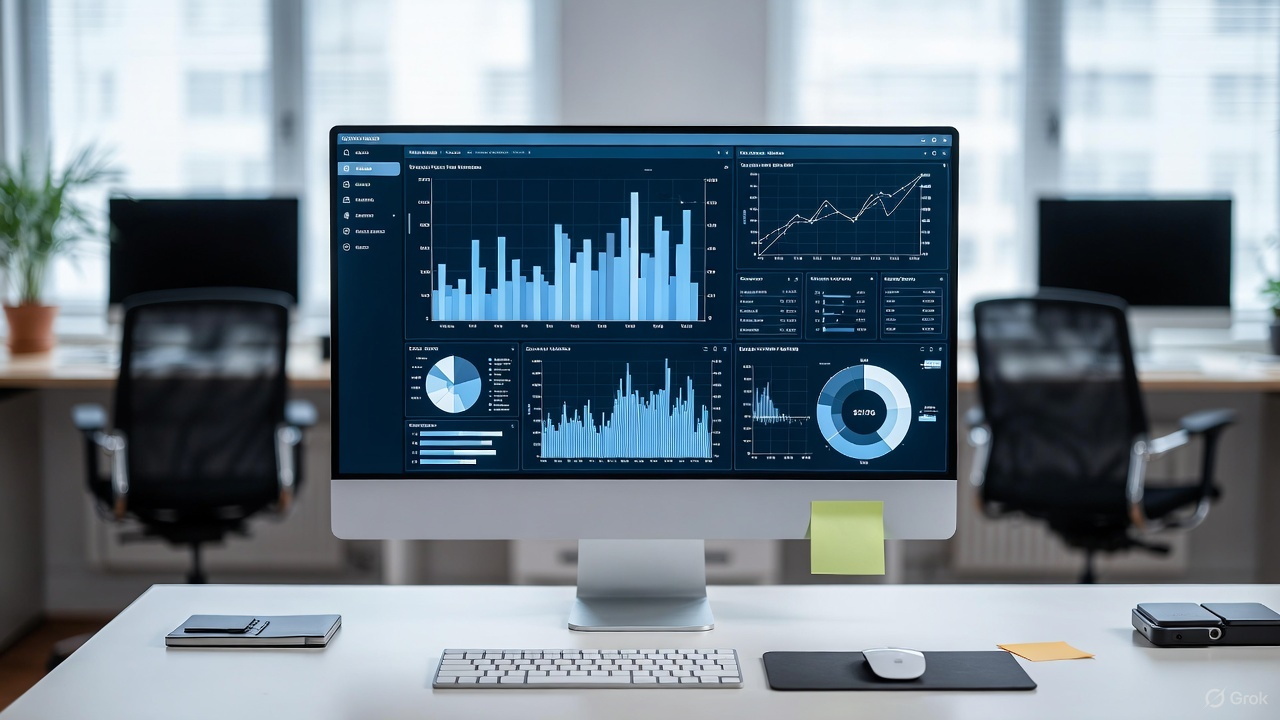
- 2026: Real-Time and Value-Creation Driven: Today, portfolio monitoring is a core value driver, powered by real-time dashboards, AI, and predictive analytics. Firms track deep operational metrics and integrate systems across portfolio companies, enabling faster decisions and more proactive value creation.
Key Shifts Over the Decade
- From lagging → leading indicators
- From financial metrics → operational KPIs
- From periodic → real-time insights
- From passive tracking → active intervention
Portfolio monitoring in 2026 is no longer a reporting function—it’s a strategic tool for value creation. Firms that leverage real-time data and operational insights are better positioned to act faster, reduce risk, and maximize returns.